Ultimate Guide to Brain Health: Enhance Your Cognitive Function

Medically Reviewed by KLE Doctor
Written by KIE Editorial Contributors
7 min read | Last Updated: 07 November 2023 | Published On: 26 August 2023
You are your brain. Your brain determines every aspect of your life. Your brain is always "on." It looks
after your thoughts and movements, breathing and heartbeat, as well as your senses. It works tirelessly
around-the-clock, even when you're asleep. Your brain health depends on a variety of factors, including what
you eat and drink, how much you exercise, how well you sleep, the way you socialize, and how you manage
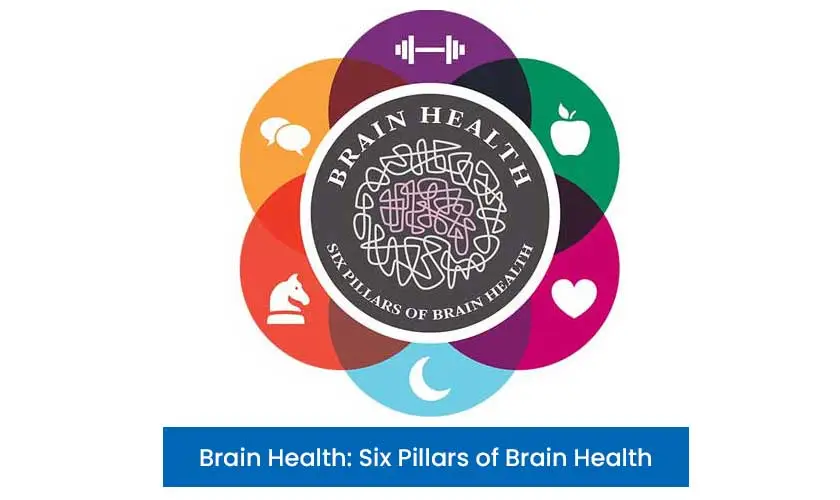
stress. In this blog we discuss six pillars of brain health, with the guidance of this blog, you may take
steps to strengthen your brain's health and reduce your risk of developing brain disorders.
- Physical Exercise
YOUR BODY: GET MOVING. Regular physical activity is an important part of a healthy lifestyle. Not only is
exercise good for your muscles and bones, but it is also an important part of keeping your brain healthy
too. People who exercise regularly have a lower risk of developing Alzheimer's disease. Exercise improves
blood flow and memory; it stimulates chemical changes in the brain that enhance learning, mood and thinking.
Be fit. Be smart.
Useful Tips for a Healthy Brain: What's Good for Your Heart is Good for Your Brain.
What can add years to your life, help you lose weight, boost your mood, improve your sleep, reduce your
risk of heart disease and cancer, keep your bones and your brain healthy? ... Exercise!
- Food & Nutrition
EAT SMART, THINK BETTER. You are what you eat. As you grow older, your brain is exposed to more harmful
stress due to lifestyle and environmental factors, resulting in a process called oxidation, which damages
brain cells. Food rich in antioxidants can help to reduce the harmful effects of oxidation in your brain.
Useful Tips for a Healthy Brain: The Mediterranean Way
Mediterranean-style diet rich in fish, whole grains, green leafy vegetables, olives, and nuts helps
maintain brain health and may reduce the risk of Alzheimer's disease. Cook and eat fresh food, savor the
taste, enjoy dining with family and friends.
- Medical Health
CONTROL MEDICAL RISKS. Hypertension, diabetes, obesity, depression, head trauma, higher cholesterol, and
smoking all increase the risk of dementia. You can control and reduce these risks.
Get your annual check-up, follow your doctor's advice.
Useful Tips for a Healthy Brain: Control Risks
A variety of medical conditions are strongly linked to the decline of brain function. Keep your blood
pressure and weight at a healthy level, take medication as prescribed, cut down on salt and sugar, keep
active and stay socially connected and positive. All of this can help you stay sharp, smart, and increase
the vitality and quality of life.
- Sleep & Relaxation
REST WELL. Quality sleep - and getting enough of it at the right times -- is as essential to survival as
food and water. Good sleep energizes you, improves your mood, immune system, brain performance and health.
Practicing meditation and managing stress may help to reduce age-related decline in brain health. Stay
positive. Be happy.
Useful Tips for a Healthy Brain: Keys to a Good Night's Sleep
Quality sleep improves our moods and sharpens our brains. Stick to a sleep schedule. Go to bed and wake
up at the same time every day, even on the weekends. Avoid nicotine and caffeine, both are stimulants that
keep you awake. Also screen time (smartphones, computers, television screens etc.) is linked to a host of
insomnia symptom. You should discontinue the use of electronics at least an hour before bedtime.
- Mental Fitness
YOUR MIND: USE IT OR LOSE IT. Mental exercise is just as critical as physical exercise in keeping your brain
fit and healthy. Mental exercises may improve your brain's functioning and promote new brain cell (neurons)
growth, decreasing your likelihood of developing dementia. Like your muscles, you have to use your brain or
you lose it.
Useful Tips for a Healthy Brain: Build Your Brain Reserve
Your brain can adapt, react to changes, and withstand harm because to something called "brain reserve."
Your brain reserve starts to grow when you're young and gets stronger as you get older. People who pursue
lifelong learning, take on new activities, and nurture new skills and hobbies are strengthening and
expanding their brain reserves.
- Social Interaction
STAY CONNECTED. Leading an active social life can protect you against memory loss. Your brain will benefit
from social interaction, thought-provoking conversation, and regular contact with loved ones and friends.
Studies have shown that those with the most social interaction in their community experience the slowest
rate of memory decline.
Useful Tips for a Healthy Brain: Stay ConnectedRich social networks offer sources of support, ease
stress, combats depression and enhances intellectual stimulation The slowest rate of memory loss is
experienced by those who are most socially active in the community they live in. Happy marriages or
long-term relationships and having a purpose in life have shown significant protective effects against
age-related cognitive impairment.
“Get engaged in a brain healthy lifestyle for your body and your mind.”
Dr. Sandip Sambhaji Chindhi
MBBS, MD(Med), DM(Neuro)
Consultant Neurologist,

 1099
1099