Exploring Gastroesophageal Reflux Disease: Symptoms, Causes, Treatment

Medically Reviewed by KLE Doctor
Written by KIE Editorial Contributors
7 min read | Last Updated: 07 November 2023 | Published On: 26 August 2023
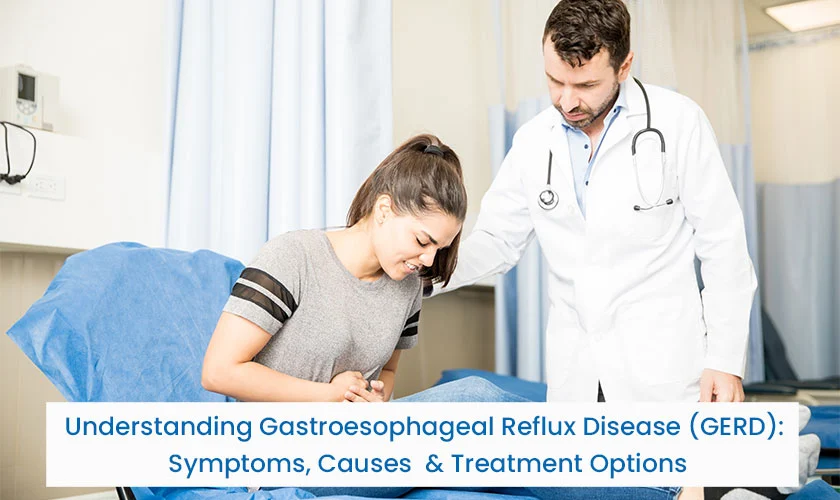
GERD stands for Gastroesophageal Reflux Disease. It's a chronic condition where stomach acid and
partially digested food flow back up into the esophagus, causing irritation and symptoms such as
heartburn, regurgitation, chest pain and difficulty swallowing. Here's some information to help you
understand GERD better:
- Causes: The primary cause of GERD is a weakened lower esophageal sphincter (LES). The LES
is a ring of muscle that acts as a valve between the stomach and the esophagus. When it
doesn't close properly, stomach acid can reflux into the esophagus. Other factors that
contribute to GERD include obesity, hiatal hernia, pregnancy, certain medications, and
certain foods and drinks.
- Symptoms: The most common symptom of GERD is heartburn, a burning sensation in the
chest that typically occurs after eating or at night. Other symptoms may include regurgitation
of food or sour liquid, chest pain, difficulty swallowing, chronic cough, hoarseness voice, and
a sensation of a lump or foreign body sensation in the throat.
- Diagnosis: If you suspect you have GERD, it's important to consult a Gastroenterologist.
Diagnosis typically involves a medical history review, discussion of symptoms, and sometimes
additional tests such as an Upper GI endoscopy, Esophageal pH monitoring and impedance
testing, or a barium swallow test.
- Management of GERD:
Lifestyle Modifications: Emphasize the importance of lifestyle changes to manage GERD.
Encourage patients to:
- Maintain a healthy weight: Losing excess weight can reduce pressure on the stomach
and LES.
- Eat smaller, more frequent meals: Overeating can increase the risk of reflux.
- Avoid trigger foods and beverages: Encourage patients to identify and eliminate or
limit foods that worsen their symptoms.
- Elevate the head of the bed: Suggest using bed risers or a wedge pillow to raise the
upper body during sleep.
- Quit smoking: Smoking weakens the LES and impairs the protective mechanisms of
the esophagus.
- Limit alcohol, caffeine, tobacco chewing: Both can relax the LES and increase acid
production.
- Dietary Recommendations:
- Eat a well-balanced diet with plenty of fruits, vegetables, whole grains, and lean
proteins.
- Choose low-fat dairy products.
- Avoid or limit spicy, fatty, fried, and acidic foods.
- Eat slowly and chew food thoroughly.
- Avoid eating 2-3 hours before bedtime.
- Medications: some of medications used to treat GERD are antacids, H2 blockers, and proton
pump inhibitors (PPIs). These medications work by reducing the acid production.
- Complications: If left untreated, GERD can lead to complications such as esophagitis
(inflammation of the esophagus), esophageal strictures (narrowing of the esophagus),
Barrett's esophagus (changes in the lining of the esophagus), and an increased risk of
developing esophageal cancer.
- It's always recommended to consult with a Gastroenterologist for an accurate diagnosis and
appropriate treatment of GERD.
Dr. Panchalingappa Betageri MD, DM (Gastro)

 1099
1099