
Medically Reviewed by Dr. Veena Ganiger, Dermatology
Written by KIE Editorial Contributors
3.5 min read | Published On: 14-10-2025
A centipede bite can be painful and alarming, especially if you’ve never experienced one before. These multi-legged creatures defend themselves with venomous claws, and while their bite is rarely life-threatening, it can cause intense pain, redness, and swelling. Understanding what happens if a centipede bites you helps you stay calm and take the right steps for care and recovery.
When a centipede bites, it injects venom through its sharp pincers called forcipules. The initial sting can feel similar to a bee or wasp sting. Typical centipede bite symptoms include:
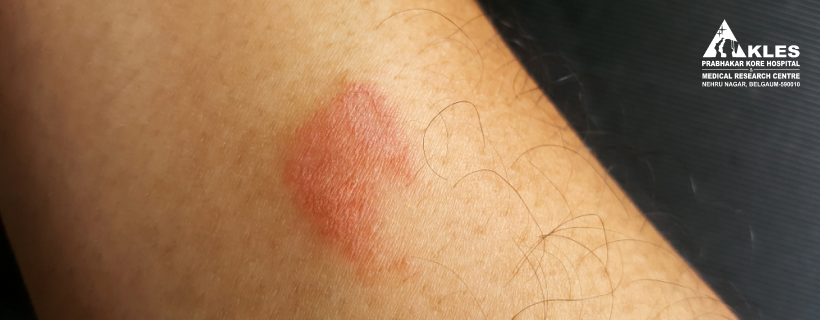
In some cases, mild nausea, chills, or dizziness may occur if the body reacts strongly to the venom. You can check centipede bite images online to identify the marks and compare your symptoms, though a medical evaluation is always advised for confirmation.
Most centipede bite effects are temporary and subside within a few hours or days. However, larger centipede species can deliver more venom, leading to stronger reactions. The affected area might become swollen and painful to touch, sometimes forming a blister.
People who are allergic to insect stings may experience more severe symptoms, such as:
Though very rare, there are cases where a centipede bite can cause death, especially in individuals with severe allergic reactions, small children, or those with compromised immune systems. Immediate medical care is crucial if such symptoms develop.
Most centipede bites heal on their own with proper care. Here’s a simple centipede bite treatment plan you can follow at home:
If the swelling spreads, the pain intensifies, or you experience allergic symptoms, seek medical care immediately. In rare cases, doctors may prescribe antihistamines, antibiotics, or even hospitalization for monitoring.
Recovery time depends on the centipede’s size and the person’s sensitivity to its venom. Most bites heal completely within a few days, though mild redness or tenderness may linger for a week. Keep the bite area clean and avoid exposure to dirt or chemicals until it fully heals.
To avoid centipede bites, reduce their presence in your surroundings:
Prevention is especially important in humid or dark areas where centipedes thrive.
A centipede bite may look scary, but with quick centipede bite treatment, it’s usually manageable at home. While a centipede bite can cause death in very rare situations, most bites cause only temporary discomfort. Always observe the reaction closely, and consult a doctor if the pain worsens or allergic signs appear. Knowing what happens if a centipede bites helps you act fast and recover safely.
Get in Touch with a Doctor
A centipede bite can be quite painful, similar to a wasp sting. The pain usually starts immediately and may last for a few hours, depending on the size of the centipede and the amount of venom injected.
In most cases, a centipede bite is not fatal. However, in rare situations, especially for people with severe allergies, small children, or those with weak immunity, a centipede bite can cause death if left untreated.
You may notice two small puncture marks, redness, swelling, and a burning sensation. Checking centipede bite images can help you compare and confirm if the marks match.
Avoid scratching the bite area or applying unverified home remedies. Scratching can cause infection or worsen inflammation. Stick to gentle cleaning, cold compresses, and recommended creams for safe healing.
Most centipede bite effects fade within 2 to 5 days. Mild cases heal quickly, while severe or allergic reactions might need a week or more with medical treatment.

 1099
1099