
Medically Reviewed by Dr. Tanmaya Metgud, Paediatrics
Written by KIE Editorial Contributors
8.5 min read | Published On: 14-10-2025
Cystic hygroma is a rare condition. It causes soft, fluid-filled bumps to appear under the skin, most often on the neck or head. These bumps usually form because part of the lymphatic system—a body system that moves fluids and helps fight germs—did not develop properly.
Cystic hygroma means that some tiny tubes in the lymphatic system did not connect like they should. As a result, pockets of fluid collect under the skin and create lumps. Most cases begin before birth, but sometimes they appear in older children or adults.
Doctors aren’t always sure why cystic hygroma happens. In some cases, it’s linked to changes in a baby’s genes, such as Down syndrome or Turner syndrome. Problems can also occur when a baby’s lymphatic system first develops. Adults may get cystic hygroma after an injury or infection, but this is rare.
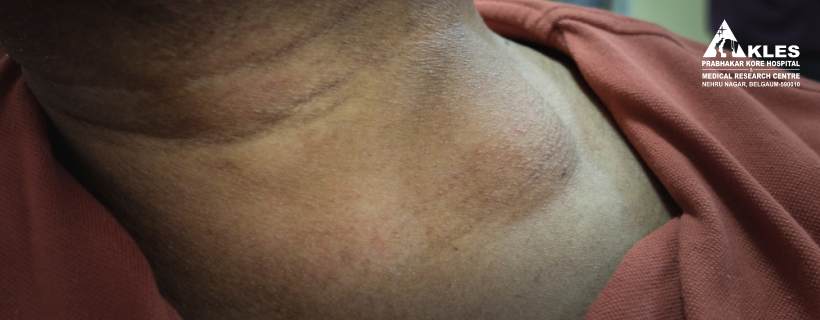
The first sign is often a soft and squishy lump on the neck, chin, or armpit. The lump doesn’t hurt and may move when touched. If it grows, it may press on the throat or airway, making breathing or swallowing difficult. Lumps may get bigger after an infection or injury.
Cystic hygromas can be:
Doctors look at your medical history and do a physical exam. For babies or during pregnancy, doctors use cystic hygroma ultrasound to see fluid-filled lumps. For older children and adults, an MRI or CT scan helps show how big the bump is and where it’s located. Sometimes, doctors check the fluid from the cyst for more answers.
If a lump is seen during pregnancy, it is called fetal cystic hygroma. Doctors may do more tests to check for genetic problems. Early ultrasound is important for finding and monitoring cystic hygroma during pregnancy.
Not all cystic hygromas need treatment. If the bump is small and doesn't cause trouble, doctors may only watch it with regular check-ups.
When treatment is needed, options are:
Adults can get cystic hygroma after an injury, infection, or blockage in the lymph system. The lump may grow slowly and usually appears in the neck or face. Treatment is similar to that for children, with surgery or sclerotherapy as main options.
During pregnancy, a cystic hygroma found on ultrasound may signal a genetic problem or trouble with the baby’s development. Doctors often do more tests and closely watch the pregnancy. Specialists may help guide the parents through options and care.
Some doctors and hospitals create presentations or cystic hygroma PPTs that use ultrasound and radiology images to explain the condition to families and medical teams.
See a healthcare provider if:
Quick action helps prevent problems like infection or blocked airway.
With timely treatment, most people recover well. Surgery or sclerotherapy works in many cases, but the lump can sometimes return. Babies diagnosed during pregnancy need careful monitoring. Regular check-ups make sure any new cysts are spotted early.
Cystic hygroma can't always be prevented, since it often relates to how a baby’s body develops. Good prenatal care and early ultrasounds help find problems early. Adults should see a doctor if they notice any new lumps in the neck or chest area.
Get in Touch with a Doctor
Cystic hygroma means a fluid-filled swelling that forms when the lymphatic system does not develop properly. It usually appears on the neck or head and can be detected through ultrasound or radiology scans.
During pregnancy, doctors often detect fetal cystic hygroma through a prenatal ultrasound. This test helps identify the cyst, measure its size, and check for any related genetic or chromosomal conditions in the baby.
Yes, although rare, cystic hygroma in adults can occur due to trauma, infection, or lymphatic blockage. It may grow slowly and often needs imaging and surgical evaluation for proper treatment.
Cystic hygroma treatment depends on its size and symptoms. Options include surgical removal, sclerotherapy, or laser therapy. In some small, asymptomatic cases, regular observation may be recommended.
Most cystic hygromas are benign and treatable, but they can become serious if they press on the airways or vital structures. Early diagnosis and treatment prevent breathing or swallowing issues.
A cystic hygroma ultrasound shows the location, depth, and size of the cyst. It is a safe, painless way to confirm the diagnosis both before birth and in infants or adults with visible neck swellings.

 1099
1099