
Medically Reviewed by Dr Farzana Begaum Dharwad , Gynecologist
Written by KIE Editorial Contributors
3.5 min read | Published On: 11-10-2025
A hydrosalpinx is a condition in which one or both fallopian tubes become blocked and fill with fluid. This often happens due to past infections, endometriosis or surgeries that cause inflammation and scarring.
Because fallopian tubes are essential for fertility, they carry the egg from the ovary to the uterus, a blockage can make natural conception difficult or even impossible.
Treatment depends on how severe the condition is. Options may include draining or repairing the tubes, removing the affected tubes (salpingectomy), or using IVF (In Vitro Fertilization) to help achieve pregnancy.
While this diagnosis can be worrying, many individuals and couples go on to have successful pregnancies with proper care and timely treatment.
Hydrosalpinx occurs when fluid builds up inside one or both fallopian tubes, causing them to swell and become blocked. The term originates from the Greek words "hydro" (water) and "salpinx" (tube), literally meaning a water-filled tube.
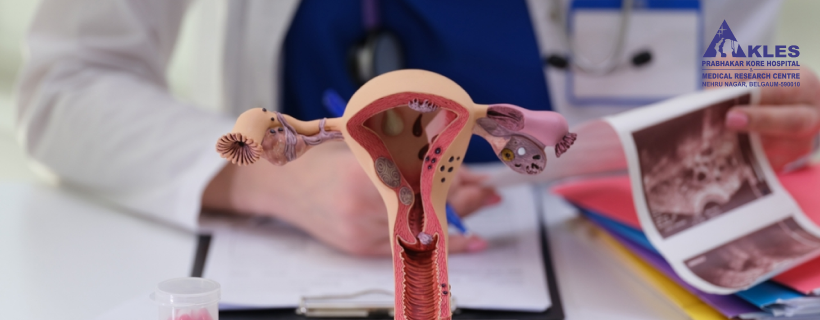
The fallopian tubes connect the ovaries to the uterus and are the usual site of fertilization, where the sperm meets the egg. When a hydrosalpinx forms, the fluid accumulation blocks this passageway, preventing the egg and sperm from meeting.
Even if fertilization occurs, the blockage can stop the embryo from reaching the uterus, making pregnancy difficult without treatment.
Hydrosalpinx may affect:
Regardless of the type, hydrosalpinx can negatively affect fertility, but with appropriate medical intervention, treatment, and successful pregnancy is still possible.
A hydrosalpinx often develops when an infection or inflammation damages the fallopian tubes. The most common cause is an untreated pelvic infection, which can create scar tissue and block the delicate tubes.
At the end of each fallopian tube are tiny, finger-like projections called fimbriae. These help guide the egg from the ovary into the tube every month. If an infection occurs, the fimbriae can become inflamed and stick together while healing. This can seal off the tube, trap fluid inside, and cause it to swell, resulting in a hydrosalpinx.
Common Causes of Hydrosalpinx Include:
All of these conditions can harm the ends of the fallopian tubes and cause fluid to build up, leading to a hydrosalpinx. Detecting and treating pelvic infections early can greatly lower the risk of developing this condition later on.
Many people with hydrosalpinx don't have any noticeable symptoms. In most cases, it is only discovered when a couple seeks medical help because they are having trouble getting pregnant.
When symptoms do occur, they can include:
If you've been trying to get pregnant for over a year without success, or you notice ongoing pelvic discomfort or unusual discharge, it's essential to speak with your healthcare provider. Early diagnosis can help protect your fertility and ensure you receive the proper treatment.
Diagnosing hydrosalpinx usually starts with a clinical evaluation by your healthcare provider, which includes:
To confirm the diagnosis, your doctor may recommend imaging tests and minimally invasive procedures:
During diagnosis, your doctor may also check for other conditions that can cause similar symptoms, such as:
The tests your doctor recommends will depend on your symptoms, fertility goals and medical history. Early and accurate diagnosis is essential to guide treatment and increase your chances of a successful pregnancy.
Treatment for hydrosalpinx depends on how blocked the tubes are, whether there is an infection and your plans for having children. With the right care, many individuals and couples can improve their chances of getting pregnant, often with the help of IVF.
If there is an active infection, your doctor may prescribe antibiotics to clear it. Treating the disease can prevent further damage to your fallopian tubes. However, antibiotics cannot remove existing blockages or scar tissue.
After surgery, many patients choose IVF, which bypasses the fallopian tubes and increases the chances of pregnancy.
Unfortunately, hydrosalpinx rarely improves without treatment. Once the fallopian tubes are blocked, the trapped fluid usually stays until medical or surgical care is provided. However, early diagnosis and prompt treatment of infections can help prevent the condition from getting worse.
Hydrosalpinx can have both short-term and long-term effects on your reproductive health:
Short-Term Complications:
Long-Term Complications:
With proper medical care, early diagnosis, and lifestyle support, hydrosalpinx is a manageable condition, and many individuals go on to have healthy pregnancies.
Get in Touch with a Doctor
Hydrosalpinx specifically involves fallopian tubes that are blocked and filled with fluid, causing swelling. Other blockages may exist without fluid, and symptoms or treatment approaches can differ depending on the cause and location.
Recurrence is uncommon if the affected tube is removed or properly treated. However, preventing infections and regular follow-up care are important to maintain reproductive health and reduce the risk of new blockages forming.
Not always. Mild cases may be monitored, especially if fertility is not an immediate concern. Surgery is often recommended for those trying to conceive, as it improves fertility outcomes and IVF success rates.
Recovery time depends on the treatment type. Your doctor will guide you, but typically, conception attempts or IVF can begin once you’ve healed and your reproductive system is ready for pregnancy.
No, hydrosalpinx itself does not cause weight gain. Pain or discomfort may reduce activity or affect appetite, which could indirectly impact weight, but the condition does not directly make you gain weight.
Hydrosalpinx rarely resolves without treatment. Once fluid is trapped in blocked tubes, it usually remains until medical or surgical intervention. Early detection and infection control can prevent worsening.
Hydrosalpinx is usually caused by infection, inflammation, or scarring, not cancer. Rarely, tumors can affect the tubes, so unusual masses, persistent pain, or abnormal bleeding should be evaluated by a doctor.

 1099
1099