
Medically Reviewed by Dr. sharada veeranna goudagaon, Dermatology
Written by KIE Editorial Contributors
3.5 min read | Last Updated: 14 August 2025 | Published On: 14 August 2023
Pityriasis alba is a common skin condition primarily affecting children and adolescents. It presents as dry, pale, or discolored patches, most often seen on the face, especially the cheeks, but it may also appear on the arms, neck, or upper trunk. While the condition is benign and non-contagious, it can cause concern due to visible skin discoloration.
This guide explains the causes, treatment options, differences from similar skin conditions, and how to manage pityriasis alba both medically and at home.
Pityriasis alba is a skin disorder characterized by the appearance of round or oval white patches or light-colored spots on the skin. The patches are typically scaly or dry and may become more noticeable after sun exposure due to surrounding skin tanning while the patches remain pale.
It is not a serious condition, and in most cases, the patches fade with time. However, proper care and treatment can accelerate healing and minimize the cosmetic appearance of the patches.
Pityriasis alba is primarily caused by skin dryness and mild eczema (atopic dermatitis). Environmental factors like sun exposure, harsh soaps, and low humidity can worsen the condition. In some cases, nutritional deficiencies, especially vitamin D or vitamin B12, may also contribute.
It's more common in children with sensitive skin or a history of allergic conditions. The exact cause of pityriasis alba is not known, but several factors may contribute:
It’s more common in children with a history of eczema or sensitive skin and in regions with hot and humid climates.
Some research suggests a link between pityriasis alba vitamin deficiency, especially vitamin D deficiency. Vitamin D plays a crucial role in skin health and immune response. Low levels may contribute to skin discoloration or delayed healing.
Ensuring a balanced diet rich in essential nutrients or taking supplements (under medical advice) may support skin recovery.
Pityriasis alba baby and toddlers is common and may go unnoticed initially. In babies, the patches often appear on the face or scalp and may be mistaken for fungal infections.
Parents should avoid overwashing the skin or using fragranced baby products. Applying gentle moisturizers and mild soap-free cleansers can help soothe the patches.
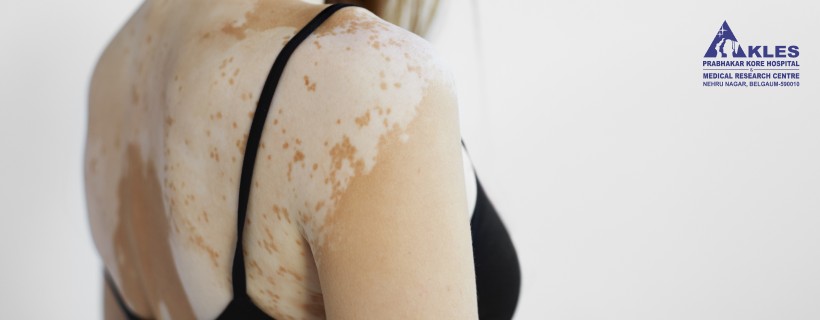
One common concern is distinguishing pityriasis alba vs vitiligo, as both conditions cause white patches on the skin. However, they are quite different:
| Feature | Pityriasis Alba | Vitiligo |
| Cause | Mild eczema, dryness, irritation | Autoimmune destruction of pigment cells |
| Patch Color | Light/pale | Bright white or chalk-white |
| Borders | Fuzzy or indistinct | Sharp and well-defined |
| Scale | Often dry and scaly | Smooth with no scaling |
| Sensation | Usually none | Sometimes associated with itching |
Understanding the difference between pityriasis alba and vitiligo is important for correct diagnosis and treatment.
Another commonly confused condition is tinea versicolor, a fungal skin infection. When comparing pityriasis alba vs tinea versicolor, key differences include:
This is why accurate diagnosis by a dermatologist is essential.
Although pityriasis alba treatment is often not required, especially in mild cases, proper skin care can help speed up the healing process and reduce the appearance of patches. Regular use of a gentle moisturizer and sun protection is usually recommended to manage the condition effectively.
Home remedies like aloe vera, coconut oil, or oatmeal baths can help soothe the skin, but always consult a dermatologist before trying any new remedy.
Diagnosis is usually based on clinical observation. Dermatologists may examine the patches using a Wood's lamp to rule out vitiligo or fungal infections. In rare cases, a skin biopsy may be performed if the diagnosis is uncertain.
No lab tests are typically needed unless vitamin deficiencies or other conditions are suspected.
You should consult a doctor or dermatologist if:
Get in Touch with a Doctor
No, pityriasis alba is not permanent. The patches usually fade over time, especially with proper skin care and moisturization.
Keeping the skin well-moisturized, avoiding harsh soaps, and protecting the skin from excessive sun exposure may help prevent pityriasis alba.
No, pityriasis alba is different from vitiligo. While both cause light patches, pityriasis alba is temporary and less depigmented. Vitiligo usually causes complete pigment loss and requires different treatment.
Yes, some people with pityriasis alba may experience mild itching, especially if the skin is dry. Moisturizers can help relieve the itch.
Avoid harsh or fragranced creams, but gentle, fragrance-free moisturizers are beneficial for managing pityriasis alba.

 1099
1099