What is Subclinical Hypothyroidism?

Subclinical Hypothyroidism
KLE Doctor

Medically Reviewed by Dr. Vanishri Ganakumar, Endocrinology

Written by KIE Editorial Contributors

3.5 min read | Published On: 13-10-2025

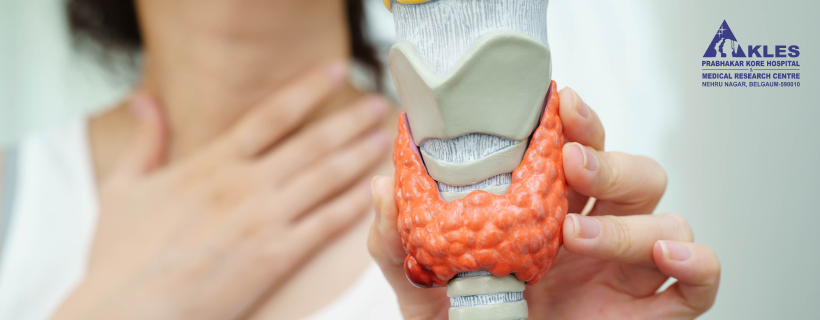
Subclinical hypothyroidism is an early sign your thyroid is slowing down. The thyroid is a small, butterfly-shaped gland in the neck that makes hormones called T3 and T4. These hormones help control your body's energy and metabolism. In subclinical hypothyroidism, the thyroid still makes enough hormones, but the pituitary gland senses trouble and releases more thyroid-stimulating hormone (TSH) to push the thyroid to work harder.

Many people have no symptoms in this stage. But if untreated, it can turn into overt hypothyroidism, where hormone levels fall and cause health problems. It is more common in women, older adults, and people with autoimmune thyroid problems.

What are the Symptoms?

The symptoms can be mild with general tiredness. Common signs include:

  • Feeling tired or slow
  • Gaining weight without reason
  • Feeling cold easily
  • Hair thinning or loss
  • Dry, flaky skin
  • Constipation
  • Forgetfulness or trouble focusing
  • Mood changes like irritability or mild depression
  • Irregular periods in women

If these last long, get a thyroid test to check.

What Causes Subclinical Hypothyroidism?

The main causes are:

  • Autoimmune thyroiditis (Hashimoto’s): The immune system attacks the thyroid.
  • Iodine imbalance: Too much or too little iodine affects thyroid function.
  • Certain medicines: Some drugs can disrupt hormones.
  • Surgery or radiation: Treatments may damage the thyroid.
  • Aging and family history: Thyroid work slows with age; genes matter.
  • Pregnancy: Some women develop temporary thyroid issues after childbirth.

How is it Diagnosed?

Doctors check blood for:

  • TSH, T3, and T4 levels: High TSH but normal T4 shows subclinical hypothyroidism.
  • Anti-thyroid antibodies: Show if the immune system attacks the thyroid.
  • Thyroid ultrasound: Looks for inflammation or lumps.
  • Repeat TSH test: Confirms if high levels stay over time.

Screening is advised for people over 40, new mothers, and those with family history or diabetes.

How is Subclinical Hypothyroidism Treated?

Treatment depends on your TSH and symptoms.

  • Watch and wait: If TSH is slightly high and no symptoms, monitor every 6–12 months.
  • Medicine: Levothyroxine if TSH is over 10, symptoms show, or if pregnant or heart disease present.
  • Healthy diet: Eat foods rich in iodine, selenium, zinc, and iron like fish, eggs, nuts, and grains. Cut down on processed foods and manage stress.
  • Treat causes: Fix autoimmune problems, medication side effects, and nutrient shortages.

When Should You See a Doctor?

See a doctor if you have long-lasting tiredness, weight changes, feeling cold, or mood swings. Also consult if you:

  • Have a family history of thyroid issues
  • Are pregnant or planning pregnancy
  • Have heart disease or high cholesterol
  • Feel swelling or pain near your neck

Early treatment can stop the condition from worsening.

Can It Be Prevented?

Not all cases can be prevented, but lowering risk is possible by:

  • Eating iodine-rich foods in moderation
  • Managing stress with activities like yoga or meditation
  • Getting enough sleep
  • Having regular thyroid tests if at risk
  • Avoiding extra radiation near your neck

Complications if Left Untreated

Without treatment, it may lead to:

  • Higher cholesterol and heart disease
  • Infertility or menstrual issues
  • Pregnancy problems like miscarriage
  • Memory loss and fatigue
  • Depression and mood problems

Follow-ups and early care help avoid these.

Outlook

Most people with subclinical hypothyroidism do well. Many keep thyroid levels steady with lifestyle and checkups. Some need low-dose medicine to feel better. Early diagnosis is key to staying healthy.

Find Doctors who treat Subclinical Hypothyroidism

Get in Touch with a Doctor

Frequently Asked Questions

Yes, in some cases, thyroid function may return to normal without treatment, especially if caused by temporary stress or mild iodine imbalance.

Untreated cases may progress to overt hypothyroidism, leading to fatigue, weight gain, high cholesterol, and other metabolic problems.

Yes, eating a nutrient-rich diet with iodine, selenium, and zinc supports thyroid hormone production and helps manage the condition naturally.

Yes, it’s more common in women, particularly after age 40 or during pregnancy, due to hormonal fluctuations.

Doctors typically recommend retesting every 6–12 months or sooner if symptoms worsen or TSH levels rise.

Copyright © 2025 All Rights Reserved by KLE Society
Book an Appointment Request Appointment Call Us Now Call Now Ambulance Ambulance Emergency Emergency